


 7735313131
 Driver services in Jaipur for Char Dham

Introduction
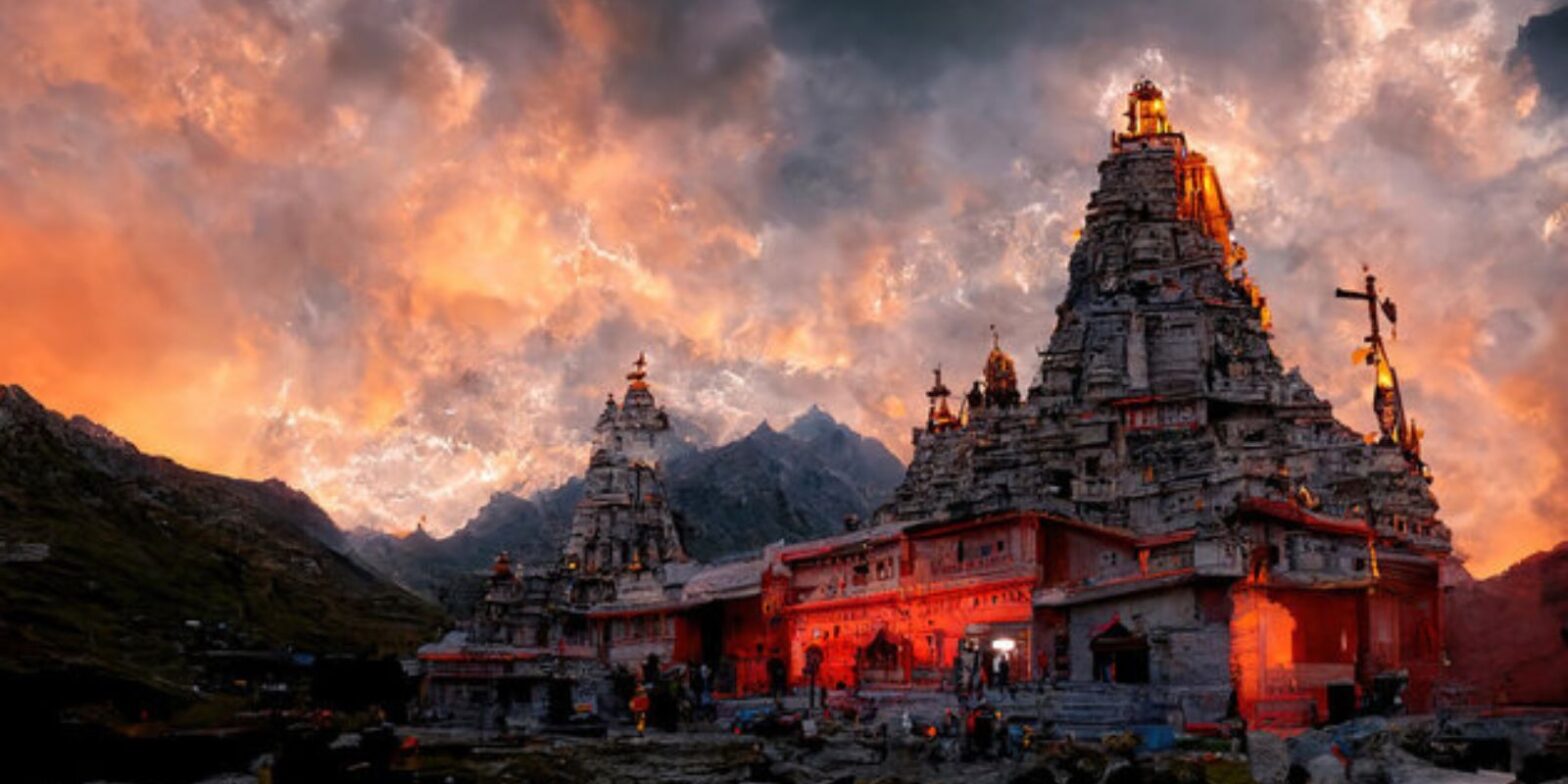
The Char Dham Yatra holds enormous religious importance for millions of Hindus worldwide. It is a holy pilgrimage that takes devotees on a journey to the four holy shrines of Yamunotri, Gangotri, Kedarnath and Badrinath, a hotel amidst the majestic Himalayas. This Yatra is believed to cleanse one’s soul, wash away crime and bring religious release. To ensure a safe and suitable journey, it is crucial to hire a reliable and experienced driver who has the knowledge and knowledge required for this hard shipping.
Embarking on the Char Dham Yatra involves traveling through challenging mountain roads, unpredictable weather conditions, and remote areas. This makes it important to have an experienced driver who is familiar with difficult terrains and knows how to navigate these routes safely. Choosing professional drivers for hire can provide greater comfort and convenience throughout the journey.
Gangotri, Yamunotri, Kedarnath and Badrinath
Gangotri
Located in the Uttarkashi district of Uttarakhand, India, Gangotri is one of the holiest and most hallowed hajj sites in Hinduism. Situated at an elevation of 3,100 meters amidst the breathtaking Himalayan peaks, Gangotri is the birthplace of the holy River Ganga. This age-old town holds great spiritual importance and attracts thousands of devotees and nature lovers every year.
According to Hindu mythology, it is believed that King Bhagiratha, through deep penance and prayers, brought the holy River Ganga down from heaven to cleanse the sins of his forebears. Gangotri is said to be the spot where the sacred Ganga falls to Earth from Lord Shiva’s locks, finally flowing into the human world. The temple at Gangotri is dedicated to Goddess Ganga, and it is a major pilgrimage site for those seeking spiritual cleansing and blessings.
The Gangotri temple is a modest structure lying on the banks of the Bhagirathi River. Constructed in the 18th century by the Gurkha general Amar Singh Thapa, the temple is made of white granite and gives a quiet feel. The holy grave houses a silver idol of Goddess Ganga, decorated with intricate jewelry and surrounded by religious passion. The temple opens for travelers during the auspicious months of May to November, and watching the evening aarti is a soul-moving experience.
Beyond its spiritual significance, Gangotri is famous for its stunning natural beauty. Surrounded by snow-capped peaks, lush green valleys, and a waterfall, the town offers a serene and colorful retreat for visitors. The rugged terrain and the quiet air make it an ideal destination for meditation, self-reflection, and reconnecting with nature.
For adventurous souls, Gangotri serves as the starting point for the trek to the Gomukh Glacier, the origin of the River Ganga. The glacier, shaped like a cow’s mouth, is approximately 19 kilometers away from Gangotri. This arduous trek takes travelers through scenic landscapes, snow-covered trails, and untouched mountainous grazing land. It is a challenging yet highly rewarding experience for those seeking a deeper connection with nature.
While in Gangotri, visitors can also explore nearby attractions such as the colorful Bhagirathi Shila, which is believed to be the rock on which King Bhagiratha meditated. There are also opportunities for nature walks, birdwatching, and immersing oneself in the quiet of the surrounding forests.
Gangotri, with its rich spiritual heritage and awe-inspiring natural beauty, offers a unique blend of divinity and serenity. It beckons travelers and adventure enthusiasts alike to embark on a journey of self-discovery, devotion, and communion with nature. Visiting Gangotri is not just a Hajj but a transformative experience that leaves a permanent mark on one’s heart and soul.
Yamunotri
Nestled in the pristine Garhwal Himalayas of Uttarakhand, India, Yamunotri is a revered hajj site and the source of the holy River Yamuna. Situated at an elevation of 3,293 meters (10,804 feet), Yamunotri holds great spiritual significance for devotees and offers a serene and colorful setting for nature enthusiasts.
According to Hindu mythology, Yamunotri is believed to be the home of the Hindu goddess Yamuna, who is considered the embodiment of purity and divine grace. It is said that bathing in the sacred waters of the Yamuna River can wash away sins and grant spiritual redemption. Yamunotri is also associated with the mythological tale of the sage Asit Muni, who is said to have resided in this serene location, continuously meditating and attaining enlightenment.
The main attraction of Yamunotri is the ancient Yamunotri Temple, dedicated to Goddess Yamuna. Built in the 19th century by Maharaja Pratap Shah of Tehri Garhwal, the temple is a magnificent example of Himalayan architecture. The shrine houses a black marble idol of the goddess, adorned with vibrant clothes and jewelry. Travellers undertake a challenging trek to reach the temple, which adds to the spiritual significance of the journey.
Adjacent to the Yamunotri Temple, there are natural hot springs known as “kunds.” The Surya Kund, dedicated to the sun god Surya, is the most prominent and believed to possess healing properties. Travellers often cook rice and potatoes in the hot waters of these kunds, offering it as Prasad to the deity and then partaking in it as a blessed meal.
Yamunotri is blessed with captivating natural beauty and colorful landscapes. The trek to Yamunotri takes visitors through dense forests, lush meadows, and snow-clad peaks, offering breathtaking views at every turn. The serenity and quiet of the surroundings make it an ideal destination for meditation, self-reflection, and seeking solace amidst nature’s embrace.
While in Yamunotri, travelers can explore nearby attractions such as Saptarishi Kund, where the seven sages are believed to have meditated, and the Divya Shila, a rock pillar revered as the seat of the goddess Yamuna. Visitors can also embark on treks to colorful destinations like Hanuman Chatti and Janki Chatti, which offer panoramic views of the Himalayas.
Yamunotri is not merely a hajj site; it is a spiritual journey that allows devotees to connect with the divine, seek purification, and experience inner peace. It is a place where nature’s beauty merges seamlessly with devotion, leaving a lasting impression on the hearts and souls of those who visit. A trip to Yamunotri is an opportunity to immerse oneself in the quiet of the Himalayas and witness the sacredness of a river that symbolizes purity and spiritual liberation.
Kedarnath
Nestled amidst the majestic peaks of the Garhwal Himalayas in Uttarakhand, India, Kedarnath stands as a symbol of devotion and spirituality. Situated at an elevation of 3,583 meters (11,755 feet), this holy town is home to one of the most revered pilgrimage sites in Hinduism, the ancient Kedarnath Temple. Let’s embark on a journey to explore the significance and magic of Kedarnath.
Kedarnath holds huge spiritual significance in Hindu mythology and is considered one of the twelve Jyotirlingas, which symbolize Lord Shiva’s manifestations as a shakti. According to legend, it is believed that the Pandavas, the heroes of the Hindu epic Mahabharata, sought Lord Shiva’s blessings at Kedarnath to atone for the war’s sins. The temple is said to have been built by the Pandava brothers themselves.
The Kedarnath Temple, dedicated to Lord Shiva, is the primary attraction and spiritual center of Kedarnath. Perched on the banks of the Mandakini River, the temple’s stone architecture and intricate carvings evoke a sense of awe and reverence. Despite enduring several natural calamities over the centuries, the temple has been rebuilt and preserved, standing as a testament to resolute faith.
Reaching Kedarnath involves embarking on a sacred and challenging trek of approximately 16 kilometers (10 miles) from Gaurikund, the starting point. The trek takes devotees through rugged terrain, lush green valleys, and serene forests, offering breathtaking views of snow-clad peaks along the way. The traveler undertakes this arduous journey as a test of devotion, faith, and resilience.
Kedarnath’s location amidst the Himalayas is a haven for nature enthusiasts and adventurers. Surrounded by pristine mountain peaks, including the magnificent Kedarnath Peak, the town offers breathtaking vistas that leave visitors awe-inspired. The calm air, the effusive Mandakini River, and the quiet surroundings make Kedarnath an ideal place for meditation, self-reflection, and seeking solace in nature.
Exploring beyond the temple, visitors can embark on excursions to nearby attractions such as Vasuki Tal, a high-altitude lake known for its crystal-clear waters and stunning views. Other notable sites include Shankaracharya Samadhi, Bhairavnath Temple, and the Chorabari (Gandhi) Sarovar. Each of these places adds to the spiritual and natural allure of Kedarnath, offering visitors a holistic experience.
The Kedarnath Temple is open to devotees between the months of April/May and November, as extreme weather conditions make it inaccessible during the winter months. Travellers are advised to check the local weather conditions and undertake the trek with proper guidance and necessary care.
Kedarnath stands as a sacred abode where devotees seek the divine blessings of Lord Shiva and immerse themselves in spiritual serenity. The town’s aura, combined with its awe-inspiring natural beauty, creates an indescribable sense of peace and quiet. A journey to Kedarnath is not just a hajj; it is an opportunity to experience the divine presence, embrace the power of faith, and witness the magnificence of the Himalayas in all their glory.
Badrinath
Nestled in the Garhwal Himalayas of Uttarakhand, India, Badrinath is a sacred town that holds great religious significance in Hinduism. Situated at an elevation of 3,415 meters (11,204 feet), Badrinath is home to the revered Badrinath Temple, dedicated to Lord Vishnu. Let us embark on a spiritual journey to explore the allure and sanctity of Badrinath.
Badrinath is one of the Char Dham pilgrimage sites and is considered one of the 108 Divya Desams, the holiest abodes of Lord Vishnu. It is believed that Lord Vishnu meditated at Badrinath for thousands of years under the Badri tree, seeking salvation and enlightenment. The temple is an embodiment of Lord Vishnu’s divine presence and serves as a spiritual haven for devotees seeking blessings and inner peace.
The Badrinath Temple, a masterpiece of architecture, stands as an iconic landmark in the town. Constructed in the traditional Garhwali style with a distinct pagoda-shaped roof, the temple exudes a sense of reverence and devotion. The main deity is a black stone idol of Lord Vishnu, intricately adorned with jewelry and garments. Travellers from all over the world gather here to offer prayers and seek divine blessings.
Adjacent to the Badrinath Temple, there are natural hot water springs known as Tapt Kund and Narad Kund. These hot springs are believed to possess healing properties and are frequented by travellers for ritual bathing before entering the temple. The warm and therapeutic waters add to the spiritual experience and are regarded as purifying agents for body and soul.
Visiting Badrinath offers an opportunity to explore nearby attractions, including the enchanting Mana Village, situated just 3 kilometers (1.9 miles) from the temple. Mana Village is renowned for its rich cultural heritage and legends associated with the epic Mahabharata. It is believed to be the last inhabited village on the Indo-China border, offering glimpses into traditional mountain life and scenic beauty.
Vasudhara Falls, Charan Paduka, and Bhim Pul are other noteworthy sites that travelers can visit during their stay in Badrinath. These natural wonders further enhance the ethereal charm of the region and provide breathtaking backdrops for spiritual contemplation and rejuvenation.
The Badrinath Temple is open to devotees from April/May to November, depending on the prevailing weather conditions. Due to its high altitude, the region experiences severe winters, making it inaccessible during the colder months. Travellers are advised to plan their visit accordingly and check the weather conditions before embarking on their journey.
Badrinath, with its divine aura, awe-inspiring natural surroundings, and spiritual significance, beckons devotees and spiritual seekers from all walks of life. It is a place where one can immerse oneself in devotion, experience inner peace, and witness the eternal beauty of the Himalayas. A hajj to Badrinath is an opportunity to seek divine blessings, gain spiritual enlightenment, and connect with the divine presence that permeates the serene landscape.
Conclusion
Hiring a reliable and experienced driver for your Char Dham Yatra is of utmost importance. Their local knowledge, expertise, and assistance can make a significant difference in ensuring a smooth and convenient journey. By entrusting your transportation needs to a skilled driver, you can focus on the spiritual significance of the Char Dham Yatra and immerse yourself in the divine experience.
A reliable driver should be familiar with local routes, weather conditions, and customs, helping you enjoy a safe and comfortable journey. Their experience allows them to handle different roads and challenging terrains while reducing the stress of driving. Their knowledge of the region can also help you discover popular attractions and make the most of your trip. Download the CarChalak app on Android and iOS to book a professional driver easily.
PHOTO BY: STOCK
ALSO READ: One Week Road Trip: Book a Driver in Jaipur